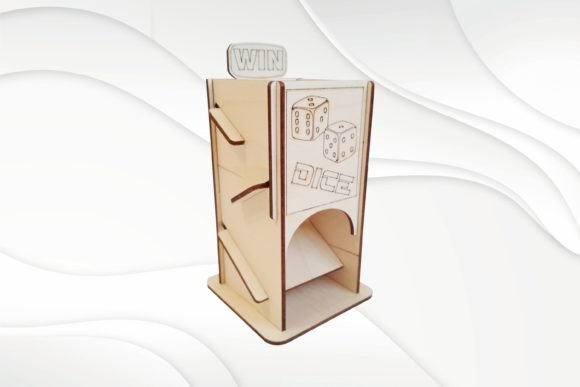
Dice Tower Game Board Design for Laser Cutting Projects
First Impressions: A Playful, Detailed Design with Laser Precision
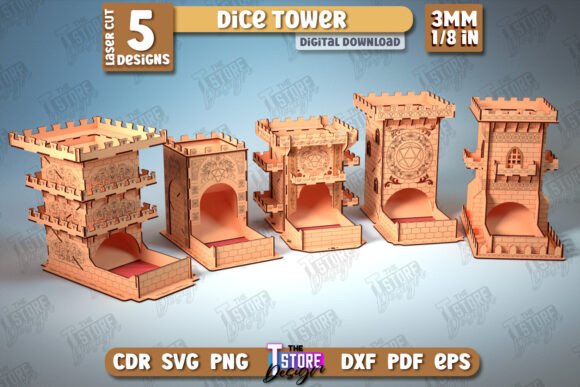
As a graphic designer evaluating the Dice Tower Game Board, Design Laser Cut, my first reaction is that it’s a visually engaging and intricately detailed vector design. The pattern is clearly crafted with laser cutting in mind, offering both decorative appeal and functional structure. The style feels playful yet precise, making it a strong contender for projects in the Other Toys & category or for laser-focused creative makers looking to add a tactile, mechanical aesthetic to their product line.
Design Style and Client Fit: From Board Games to Themed Merchandise
This design asset carries a mechanical, game-centric aesthetic that would naturally appeal to small businesses creating board games, tabletop accessories, or themed merchandise. The Dice Tower Game Board, Design Laser Cut has a strong industrial charm—think gears, slots, and layered components—perfect for a brand or product that wants to evoke a sense of craftsmanship and interactive play.
For a client launching a boutique line of gaming accessories or hosting a themed event, this design could become a central visual motif. It works well for Etsy shops, print-on-demand sellers, or local crafters who want to offer laser-cut items that feel premium and thoughtfully made.
Performance Across Design Deliverables
The Dice Tower Game Board, Design Laser Cut asset is a vector-based SVG/DXF file, which makes it incredibly versatile across multiple design applications. Here’s how it performs in various real-world design scenarios:
- Logo Design: Not ideal as a primary logo, but excellent as a supporting icon or branded element for gaming-related brands.
- Packaging Design: Works beautifully on product boxes, inserts, or custom inserts for laser-cut game kits.
- Merchandise: Perfect for t-shirts, mugs, or tote bags when simplified and adapted for screen printing or heat transfer.
- Social Media Graphics: Can be used as a themed background or decorative border for Instagram posts or Pinterest pins.
- Canva Templates: Easily imported and layered into Canva designs for game-themed campaigns or digital product kits.
- Cricut Projects: A dream for Cricut users—its clean vector lines and modular design make it ideal for cutting and assembling at home.
- Printable Wall Art: With some background tweaks, it can be turned into a retro-style print for gaming enthusiasts or collectors.
Where It Shines: Design Applications and Visual Impact
This design asset performs best in larger format applications where detail can be appreciated. It’s particularly effective in:
- Hero Graphics: On landing pages or product showcases where a mechanical, game-themed visual sets the tone.
- Packaging Details: Laser-cut inserts, box lids, or promotional cards that enhance unboxing experiences.
- Themed Collections: Supporting a cohesive look across a line of board game accessories or hobbyist kits.
- Editorial Design: As an ornamental divider or sidebar graphic in digital or print editorials about gaming culture.
- Marketing Visuals: For campaigns promoting events, Kickstarter launches, or crowdfunding for tabletop games.
Where to Use It Carefully: Limitations and Designer Notes
While the Dice Tower Game Board, Design Laser Cut is a strong design, it does come with some limitations:
- Small Sizes: The detail can get lost at thumbnail or icon sizes—always test at scale.
- Crowded Layouts: Avoid placing it in layouts with too many visual elements; it competes for attention.
- Minimalist Branding: Too ornate for brands that favor clean, modern aesthetics.
- Corporate Materials: Not appropriate for formal or professional branding contexts.
- Low-Contrast Designs: May fade into the background if not paired with strong color contrast.
Impact on Branding and Visual Hierarchy
When used appropriately, this design asset adds a tactile, mechanical feel to a brand’s visual language. It supports a playful, hands-on brand personality and enhances emotional engagement for audiences who appreciate craftsmanship and interactive play. However, it should be balanced with simpler design elements to maintain a clear visual hierarchy.
From a branding perspective, the Dice Tower Game Board, Design Laser Cut works best as a supporting visual motif rather than a dominant theme. It can help build brand recognition when consistently applied across product lines, packaging, and marketing materials.
Designer Checklist: What to Test Before Use
Before finalizing this asset for client use, here are key checks to perform:
- Test in Black and White: See how it reads without color—important for laser engraving or monochrome prints.
- Check Contrast: Ensure visibility on both light and dark backgrounds.
- Preview at Scale: Zoom in and out to see how it holds up in different sizes.
- Place on Mockups: Use it in real product mockups (e.g., t-shirts, boxes, mugs) to assess practicality.
- Test Print Quality: Print samples to evaluate laser cutting accuracy and engraving depth.
- Review File Formats: Confirm SVG and DXF files are editable and compatible with your design software.
- Inspect Transparency: If PNG versions are included, check for clean edges and transparency integrity.
- Font Pairing: Try it with serif, sans-serif, script, and display fonts to find the best typographic match.
- License Verification: Confirm it comes with a commercial license before using in client work or selling as part of a product.
Final Thoughts: A Polished Addition to Laser-Focused Creative Projects
The Dice Tower Game Board, Design Laser Cut is a well-crafted, laser-ready design asset that offers real value for creative professionals and small business owners working in the Laser Cutting space. It’s especially useful for those designing for the Other Toys & market, where tactile, mechanical designs resonate with collectors and hobbyists alike.
Whether you’re building a brand identity, designing packaging, or crafting a themed product line, this design asset can elevate your visuals when used thoughtfully. Always test it across formats, ensure licensing is clear, and balance its complexity with clean supporting elements for the best results.